The Architecture of Stillness: Early Mornings in Kyoto
Written by Aiko Mori & Marcus Thorne · 6 min read
To encounter Kyoto as it was intended, one must wake while the city remains enveloped in gray dawn. By seven in the morning, the cobblestone alleys of Higashiyama are quiet, save for the rhythmic sweeping of bamboo brooms upon wooden stoops.
The Language of Joinery and Moss
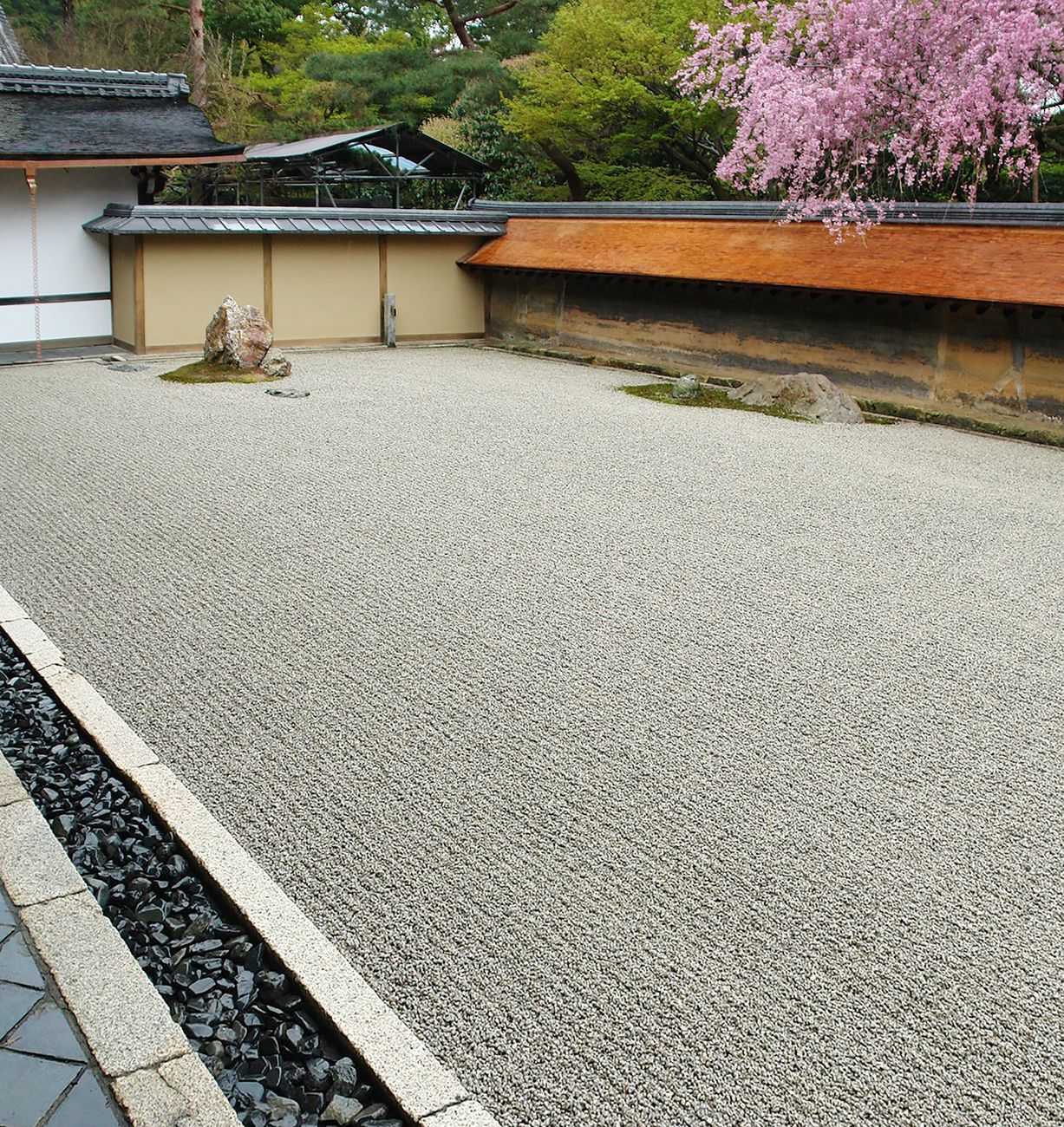
In the grounds of Daitoku-ji, the sub-temple gardens offer an education in restrained composition. Cedar planks unblemished by nails hold up cedar eaves that have stood through centuries of typhoon winds and summer heat. Each stone in the dry-landscape gardens (karesansui) is positioned with deliberate cosmic balance.
Sitting on the polished cedar veranda (engawa), the cool morning air carries the scent of damp cypress moss and burning sandalwood. The garden does not ask to be conquered or photographed in frantic bursts; it asks only to be observed in stillness.
Practicing Mindful Movement
Travelers eager to experience authentic Kansai traditions should forgo generic tour circuits and embrace small, dedicated studios. A bowl of frothy ceremonial grade Uji matcha whisked before your eyes in an unadorned tatami tearoom grounds the body in a way that modern itineraries often forget.
As sunlight finally crests the eastern hills, casting long wooden shadows through sliding shoji screens, Kyoto reminds us that luxury is not gilded ornamentation—it is the tranquility of uncluttered attention.

Marcus Thorne
Architectural Contributor for 111111